
Remodeling and modernizing a home is a significant undertaking that allows homeowners to customize their space for contemporary living, enhance functionality, and boost property value.
The goal is to move beyond temporary aesthetic fixes and create lasting improvements that address the structure, flow, and efficiency of the residence. A successful remodel requires careful planning, a disciplined approach to budgeting, and strategic focus on areas that deliver the highest impact.
By prioritizing key functional zones and structural integrity, homeowners can ensure their renovation investment results in a truly revitalized, modern, and comfortable home environment.
1. Define a Cohesive Modern Aesthetic
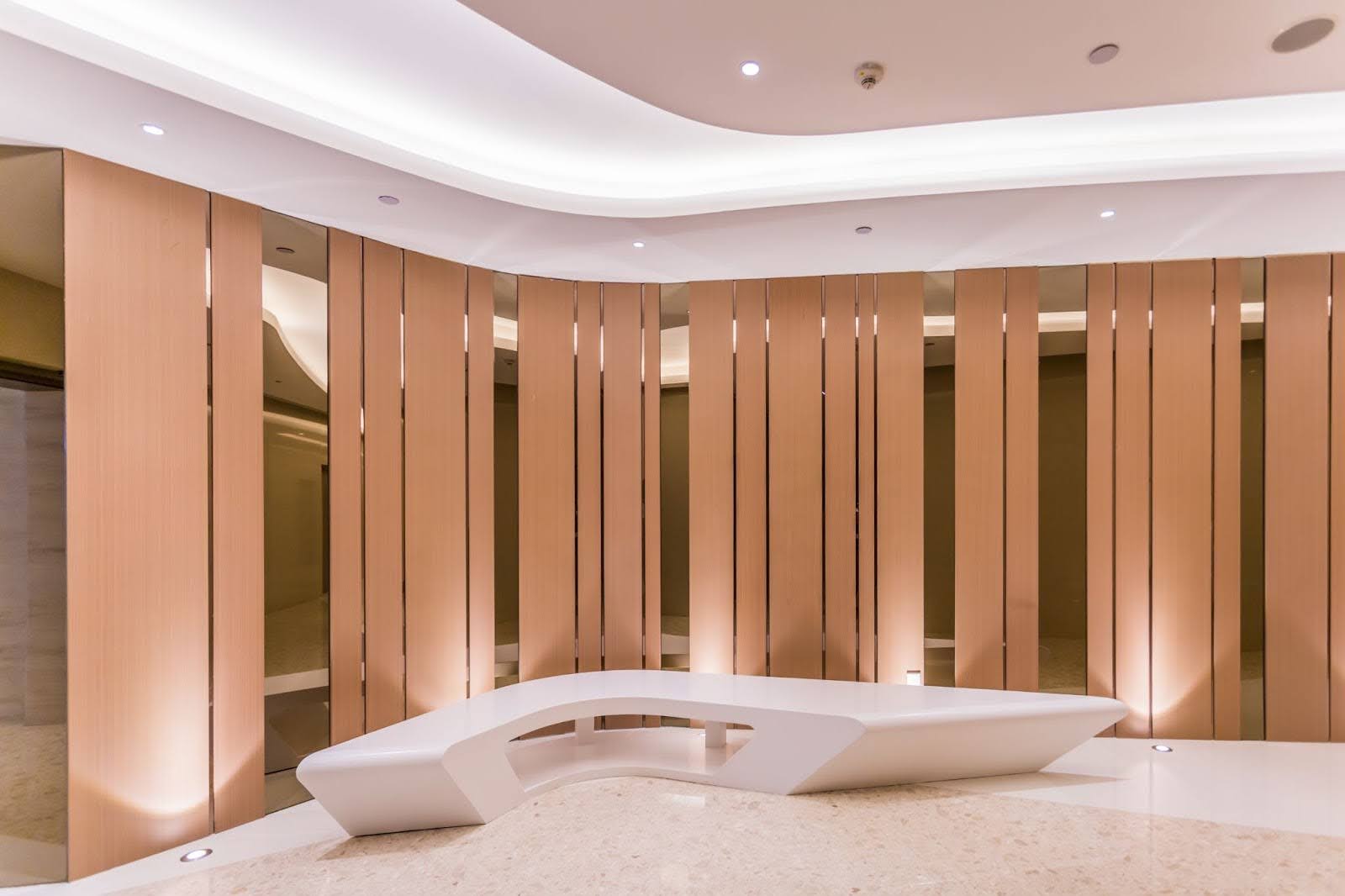
Begin by establishing a clear design vision. Modernization often involves adopting clean lines, neutral color palettes, and open spaces. Decide whether your aim is for minimalist modern, warm contemporary, or industrial chic.
A cohesive aesthetic ensures that the different remodeled areas—from the kitchen to the living room—feel integrated and intentional, preventing a fragmented appearance that diminishes the impact of the entire remodel.
2. Prioritize Workflow and Investment with a Residential Kitchen Remodeling Service
The kitchen is the heart of the home and typically offers the highest return on investment. Engage a professional residential kitchen remodeling service to optimize the layout for modern workflow, emphasizing efficiency, storage, and social interaction.
Focus on durable, modern finishes like quartz countertops, stainless steel appliances, and updated lighting. A successful kitchen remodel should seamlessly blend aesthetics with practicality, catering to contemporary cooking and entertaining habits.
3. Maximize Natural Light and Openness
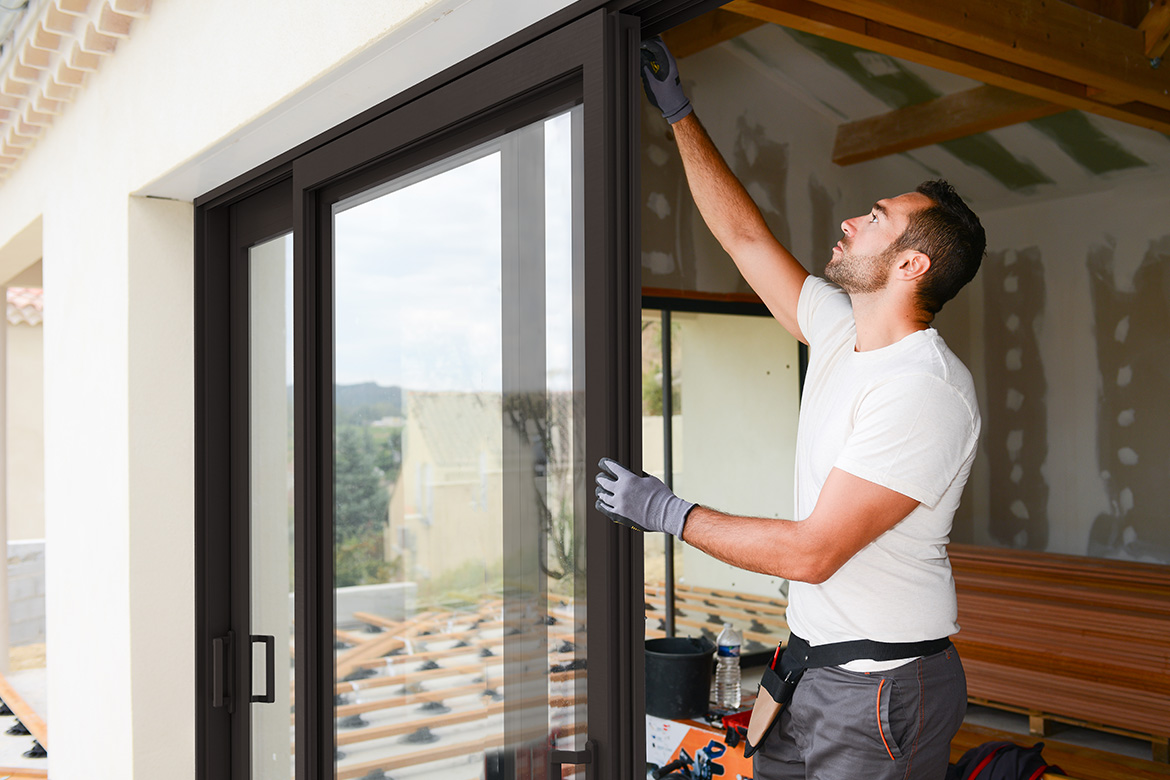
Modern homes prioritize natural light and open floor plans. Look for opportunities to introduce more light by enlarging windows, installing skylights, or swapping solid interior doors for glass panels.
If possible, consider removing non-load-bearing walls to connect adjacent rooms, immediately improving sightlines and flow. This structural change visually enlarges the space and updates the home’s overall shape.
4. Ensure Structural Integrity and Protection with Upgraded Roofing
While not always visible, the condition of your home’s exterior structure is paramount to its modernization. Inspecting and upgrading your roofing system should be a foundational step.
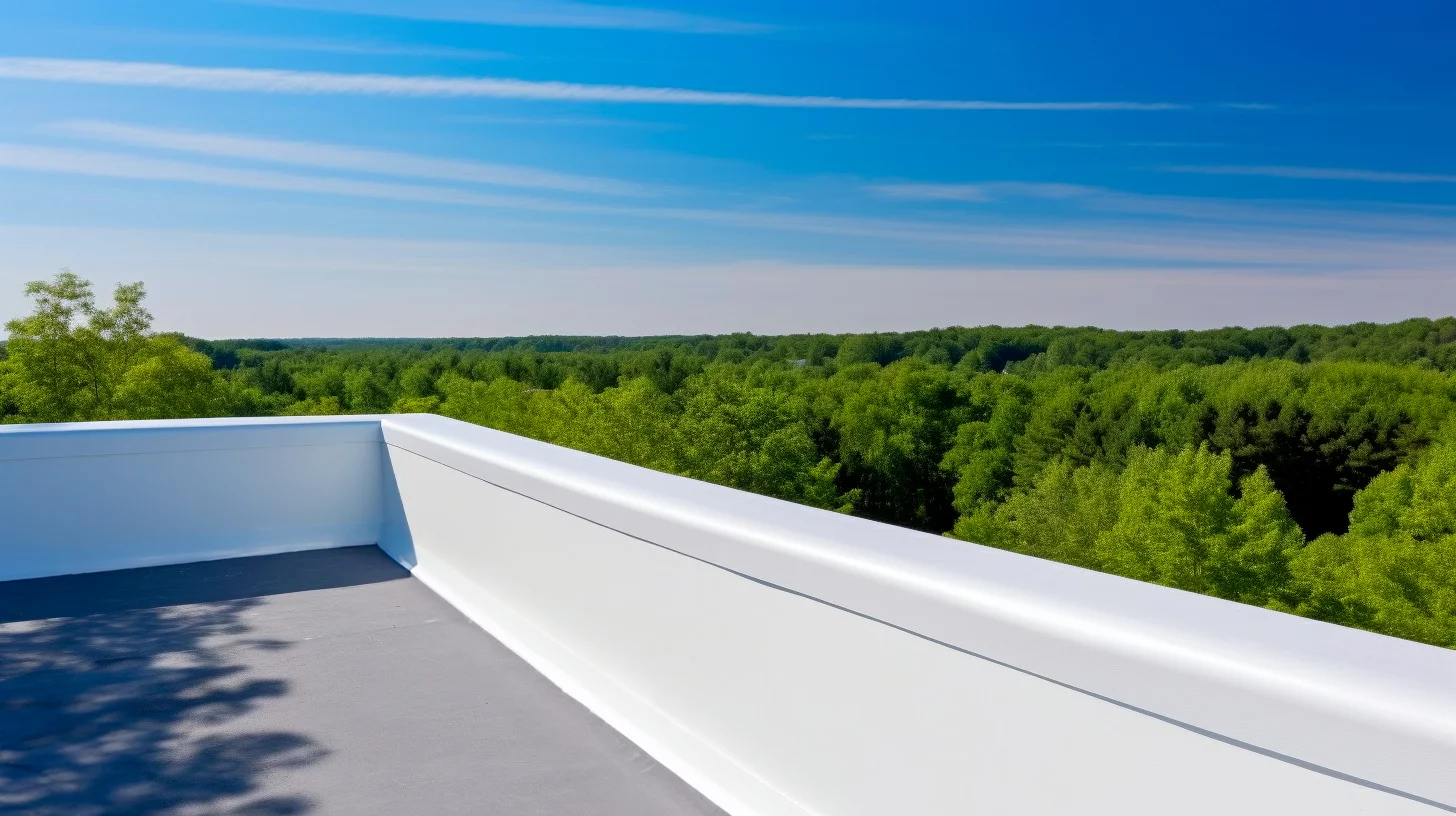
Modern, high-quality roofing materials not only offer superior protection against the elements and improve energy efficiency but can also enhance curb appeal. A sound roofing system protects your interior investment and provides crucial peace of mind.
5. Integrate Smart Technology and Energy Efficiency
Modernization means embracing smart, sustainable living. Install smart thermostats, high-efficiency windows, and modern HVAC systems to drastically cut energy consumption. Integrate user-friendly smart home technology for lighting, security, and climate control.
These upgrades make the home more convenient to live in and significantly increase its attractiveness and value to future, energy-conscious buyers.
6. Curate Timeless Materials and Fixtures
Avoid overly trendy materials that will quickly look dated. Instead, choose classic, high-quality finishes for high-traffic areas, such as hardwood flooring, ceramic tile, and simple, durable cabinet hardware.
Selecting timeless materials ensures the home remains elegant and appealing for many years, preserving the integrity of the remodel and reducing the need for frequent updates.