
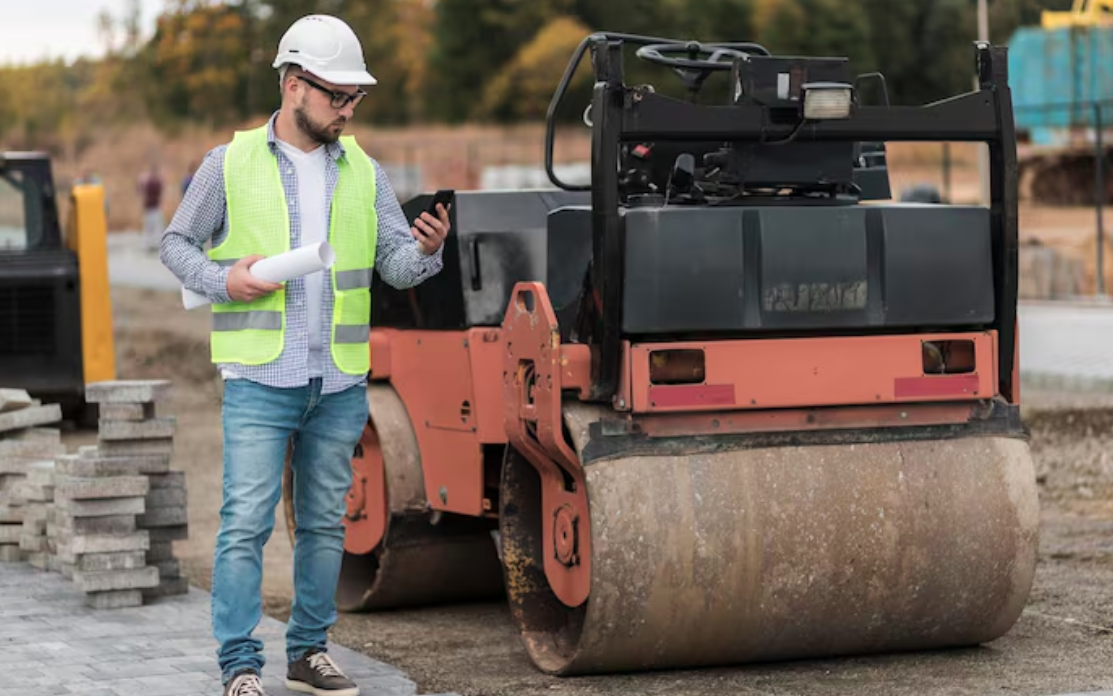
Construction driveways endure immense stress, ranging from the weight of heavy machinery to the frequent transit of supply trucks. By the time a building project concludes, these surfaces often exhibit signs of significant wear, including deep ruts, surface erosion, and structural instability.
Restoring these areas is essential not only for the aesthetic appeal of the property but also for ensuring the long-term safety and functionality of the entrance. Following a systematic restoration process can return even the most damaged driveway to its original, pristine condition.
1. Initial Damage Assessment and Surface Preparation
The first step in restoration is a thorough cleaning and inspection. Construction debris, such as stray nails, wood scraps, and dried concrete spills, must be removed to reveal the true state of the underlying surface.
Once cleared, you should inspect the area for drainage issues or areas where the sub-base has collapsed. Proper preparation ensures that the new materials will bond correctly and that any hidden structural flaws are addressed before the final surface is applied.
2. Reinforcing the Base with Quality Construction Aggregate
A durable driveway relies entirely on the strength of the foundation beneath it. To fix deep depressions and stabilize the ground, it is often necessary to incorporate fresh construction aggregate into the repair plan.
This mixture of crushed stone and gravel provides the essential load-bearing capacity required to support future vehicle traffic.
By compacting a high-grade construction aggregate into the existing ruts, you create a solid, level platform that prevents future sinking and ensures the longevity of the top layer.
3. Addressing Drainage and Grading Concerns
Water is the primary enemy of any driveway. During construction, the natural slope of the land may be altered, leading to pooling water that can wash away materials or cause cracks.
During the restoration phase, it is vital to regrade the surface so that water flows away from the center and toward designated drainage areas.
This proactive step prevents the accumulation of moisture, which is especially important for preserving the integrity of the soil and any asphalt or concrete finishes that will be applied later.
4. Long-Term Reliability Through Paving Maintenance
Once the structural repairs are finished, focus must shift toward protecting the finished surface. Implementing a schedule for paving maintenance is the most effective way to prevent the recurrence of construction-related damage.
This includes sealing cracks as soon as they appear and applying a protective sealcoat to shield the driveway from oil spills and weather damage.
Regular paving maintenance acts as a barrier against the elements, significantly extending the lifecycle of the driveway and reducing the need for costly future renovations.
5. Selecting the Right Finish for Future Use
The final appearance of the driveway should complement the new construction while meeting the expected traffic demands. Depending on the budget and style, you may choose between asphalt, poured concrete, or permeable pavers.
Asphalt is often favored for its flexibility and ease of repair, while concrete offers a rigid, long-lasting surface that can be decorative. Each material has specific installation requirements, and choosing the right one will ensure that the driveway remains attractive and functional for years to come.