A bathroom renovation can greatly improve the comfort, value, and appearance of your home. However, it also generates a significant amount of waste, including broken tiles, old fixtures, plaster, pipes, and packaging materials. If this waste is not handled properly, it can create safety hazards, slow down your project, and even lead to legal or environmental issues. Ensuring safe and efficient waste removal is just as important as choosing the right design and materials.
Here are five practical tips to help you manage and remove renovation waste safely during your bathroom remodeling project.
1. Plan Your Waste Management Strategy in Advance
Before starting your renovation, take time to estimate the amount and type of waste your project will produce. This includes tiles, wood, metal fittings, drywall, and old sanitary ware. Planning ahead helps you choose the right disposal method and avoid last-minute stress.
Decide where waste will be stored temporarily and how it will be removed. Having a clear waste management plan keeps your workspace organized, reduces risks of injury, and ensures that debris does not interfere with construction activities.
2. Use Mini Skip Hire for Convenient Waste Collection
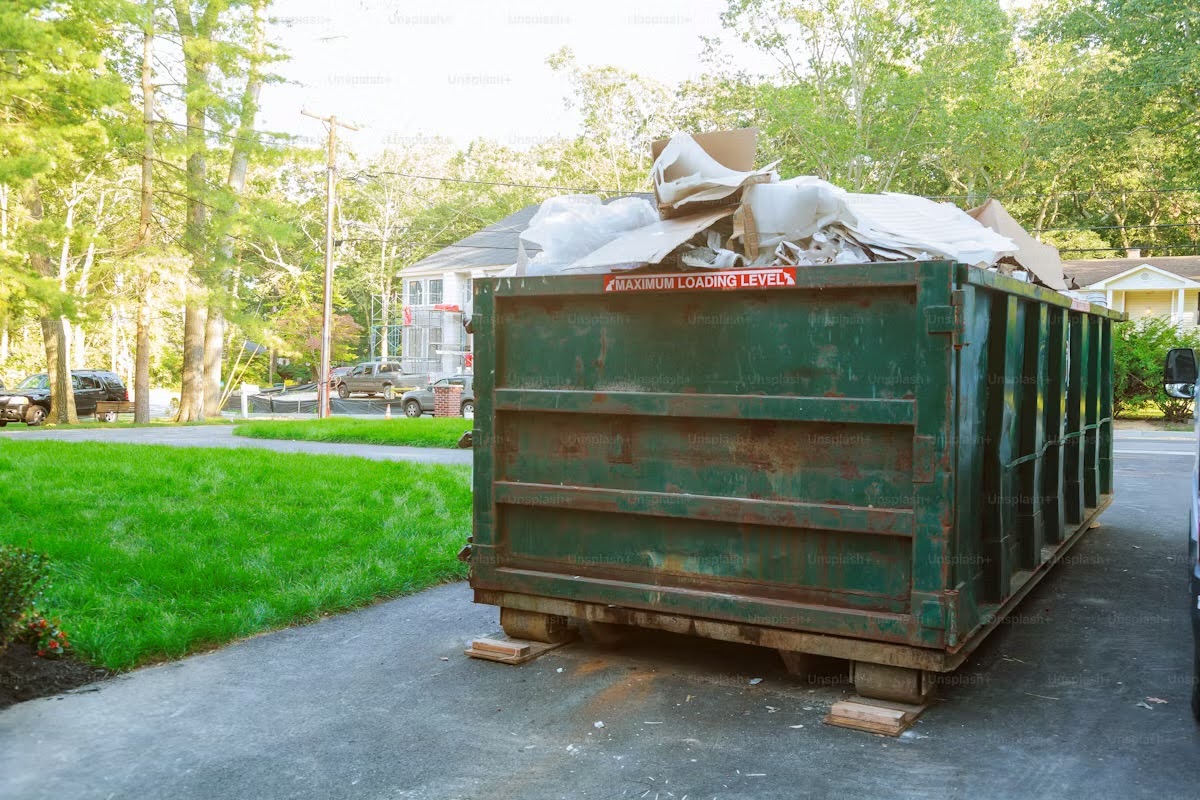
One of the most efficient ways to manage renovation waste is through mini skip hire. Mini skips are compact containers designed for small to medium renovation projects, making them ideal for bathroom remodels.
They fit easily in driveways or small outdoor spaces and allow you to dispose of waste in one central location. With professional mini skip services, waste is collected and disposed of responsibly, saving you multiple trips to landfill sites.
3. Separate Recyclable and Hazardous Materials
Not all renovation waste should be thrown away together. Materials such as metal pipes, glass, cardboard, and certain plastics can often be recycled.
Separating these items reduces landfill waste and supports environmentally responsible practices. Additionally, be cautious with hazardous materials such as old paint, adhesives, asbestos-containing products, and chemical cleaners. These require special handling and disposal methods.
4. Wear Proper Safety Gear During Waste Handling
Handling construction waste can expose you to sharp edges, dust, and harmful substances. Always wear appropriate protective equipment such as gloves, safety goggles, sturdy footwear, and dust masks. Broken tiles and glass can cause serious injuries if handled carelessly.
Lifting heavy debris without proper technique can also lead to back strain. Ensuring that everyone involved follows safety protocols minimizes the risk of accidents and keeps your renovation site secure.
5. Maintain a Clean and Organized Work Area
Keeping your renovation site clean is essential for safety and efficiency. Do not allow waste to pile up in walkways or near work zones. Regularly transfer debris to your skip or designated storage area.
Sweeping up dust and small fragments daily helps prevent slips and respiratory issues. An organized space allows contractors to work more efficiently and reduces the likelihood of mistakes or injuries.
Conclusion
Safe waste removal is a crucial part of any successful bathroom renovation project. By planning ahead, using reliable mini skip hire services, separating recyclable materials, wearing protective gear, and maintaining a clean workspace, you can manage debris responsibly and safely. These simple steps not only protect your health and environment but also help ensure that your renovation runs smoothly from start to finish.